Enabling Older Adults to Prioritize Physical Activity Through Structured Training Recommendations
Wiki Article
Staying physically engaged is essential for adults of every age group, but it becomes especially significant as persons grow older. For elders, consistent physical activity assists in sustaining autonomy, supports mobility, and enhances general health. Detailed exercise guidelines deliver older adults with systematic methods to fitness that address coordination, range of motion, strength, and resilience. By following well-designed workout recommendations, older participants can enhance their quality of life while lowering the risks of injuries, long-term illnesses, and emotional difficulties.
Exercise for seniors is not limited to demanding workouts or intense exercise regimens. It focuses instead on low-impact, consistent, and sustainable physical engagement that suits unique ability levels. Routines such as brisk walking, flexibility drills, chair yoga, and light resistance training assist maintaining range of motion and firmness. Cardiovascular exercises like water fitness or indoor biking enhance heart health, which are vital for supporting daily energy and vitality. These forms of activity also enhance cognitive wellness, as research have demonstrated that regular exercise can improve recall, tendon repair physical therapy outlook, and cognitive function.
Thorough exercise guidelines highlight a integrated approach click here now to wellness, covering muscular, emotional, and community dimensions of health. Participants are encouraged to ease in and progress at a steady rate, maintaining injury prevention while avoiding fatigue. Incorporating pre- and post-exercise stretches minimizes injury, while adequate water consumption and meal balance complement exercise routines. Additionally, community-based programs—such as group fitness classes or community walking programs—offer avenues for companionship, encouragement, and well-being, which are crucial to overall health.
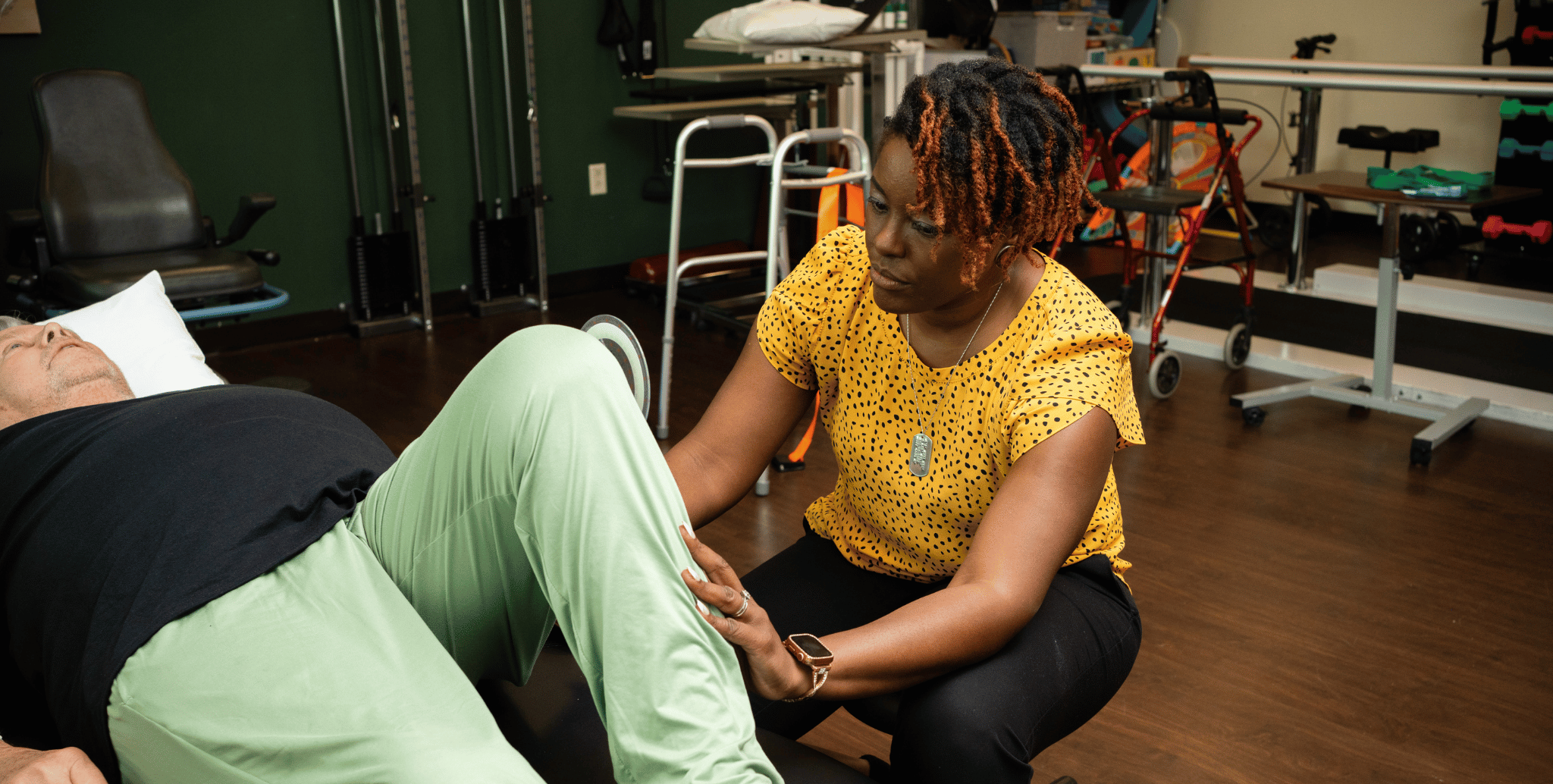
Expert assistance plays a key part in supporting older adults develop customized fitness programs. Working with physicians, physical therapists, or qualified instructors verifies that routines are tailored to individual requirements, fitness levels, and objectives. These specialists can recommend safe training methods that account for issues such as mobility concerns, osteoporosis, or cardiovascular limitations. Through ongoing assessment and revision, exercise plans remain beneficial and motivating, encouraging lasting adherence and progress.
In conclusion, motivating seniors to embrace fitness through inclusive exercise guidelines fosters a community of healthy living. When seniors are provided with understanding, motivation, and structured support, they gain confidence in their physical abilities and enjoy greater independence. Regular exercise improves not only muscle capacity but also focus and well-being. By supporting adaptive, well-guided fitness programs, organizations can ensure that each older adult has the chance to live a healthy, active, and fulfilling life.